
October's Rate Hold Comes With A November Explanation Of Possible Increases
The Fed's minutes point toward a December hike. The next decision remains ahead of the committee, with inflation still part of the discussion.
Sourced political commentary The news they want delivered. Just not this way. /s
The Ledger
Guarding every taxpayer penny with the seriousness it deserves, right up until it costs four cents to make one.
The Fed's minutes point toward a December hike. The next decision remains ahead of the committee, with inflation still part of the discussion.
Mullin defended his football trip after the ground stop. He said government transportation was required and personally reimbursed.
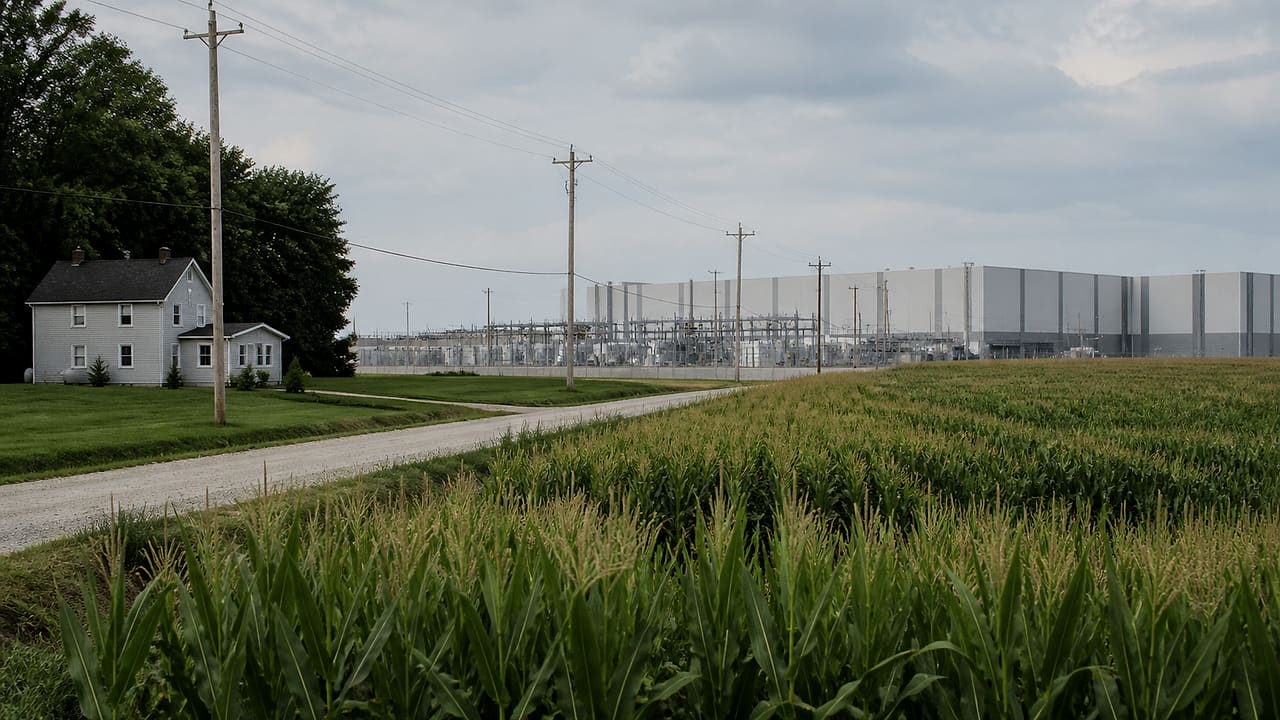
A Tribune review found more than $1 billion in local tax breaks and 465 guaranteed jobs. Companies say their actual economic contribution is larger.

Chase attributed transaction delays to a software bug. The Microsoft and aviation disruptions had separate reported causes.

RNC members sought an audit after the losses. Trump's endorsement of the chairman remains available alongside the accounting questions.

October home sales fell while the median price stayed above $416,000. A slower market has yet to become an easier purchase.

The governor-elect wants to end the program. Families using it are waiting for lawmakers to explain what would replace their funding.
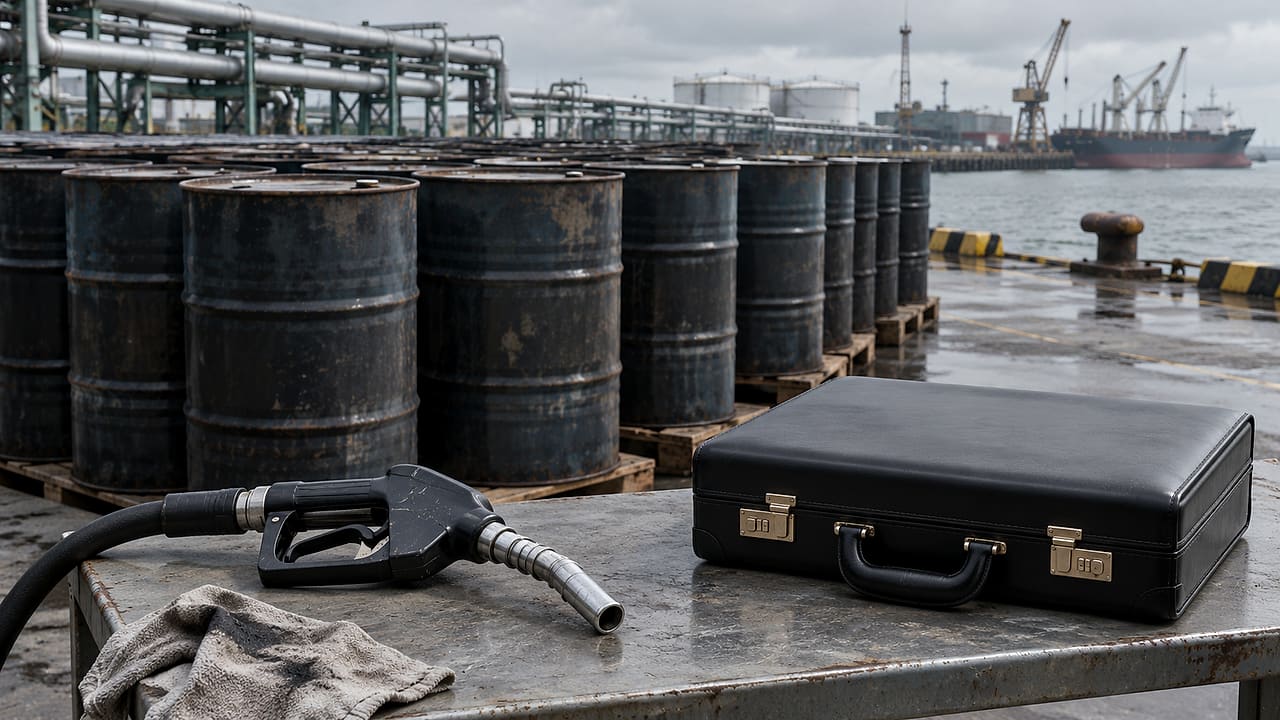
Two tankers changed course after warnings about legal consequences. The fuel announcement had moved faster than its statutory permissions.
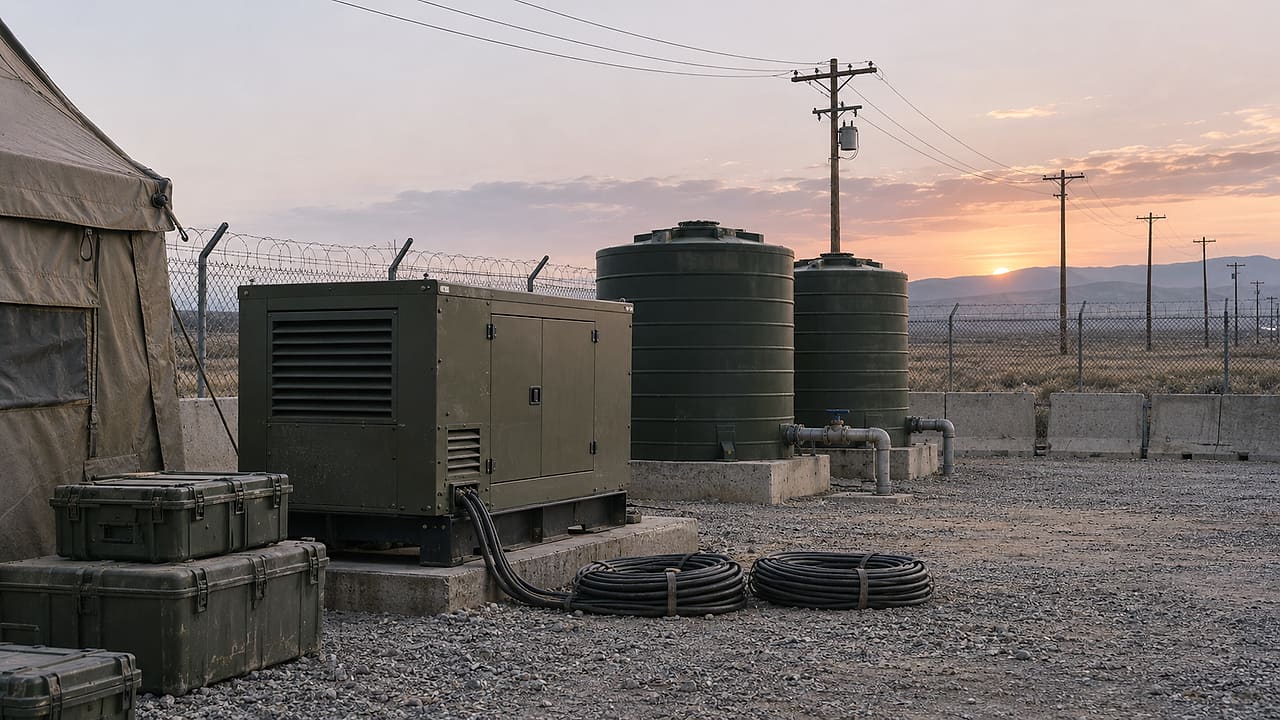
The Pentagon described a 30-day infrastructure goal. Equipment, supplies and testing would determine the resulting capability.

The Pentagon’s figure reached $47.1 billion as of October 16. The estimate described costs already incurred, while further funding remained a separate request.

October’s 10–2 vote maintained 3.75–4 percent. The two dissenters wanted another increase.

Trump and Vance announced a $25 million tip program. Trump said competing claims for rewards would be decided by him.

Hundreds of thousands of potentially eligible homeowners were missing an exemption, with gaps concentrated in lower-income areas.
USDA’s Harvest Fuel Relief program promised one-time support. Commodity rates and parts of the methodology were to follow.
A bipartisan group of senators asked Trump to reverse the fuel agreement, pointing to restrictions Congress had recently approved.

GAO concluded HHS unlawfully withheld more than $78 million after workforce cuts, rather than merely experiencing a routine program delay.
The comptroller selected Austin ISD and three other districts for financial reviews. Austin said the underlying rating predated substantial reductions.

Eligible beneficiaries were offered $90 toward October’s Part B premium. The monthly premium continued beyond October.
A September analysis found roughly 60 percent of homeowners age 65 and older owed no school property taxes. The schools still needed funding.
A 2024 Trump video resurfaced as taxpayer-funded messaging. In October, Trump said his super PAC would pay for future ads.
The September decision lifted the target range to 3.75–4 percent. All twelve voters agreed that elevated inflation required a higher price for money.

September’s final action repealed much of the 2024 carbon rule. A broader rollback was still a proposal.

A September ruling rejected the plan to halve the disaster agency’s workforce. The number had arrived before the justification.
A unanimous panel ruled that the Energy Department’s last-resort authority did not cover a long-planned power-plant retirement.

A leadership-aligned super PAC entered the Paxton campaign after sitting out the summer, joining Trump- and Musk-backed groups already spending in Texas.
Only 65 percent of applications were processed on time in July as new federal rules added work to an eligibility system the state says is not struggling.
The president attached a trillion-dollar dividend to the midterm result without legislation, a funding plan or authority to issue it himself.
The prison agency asked lawmakers to cool 15,700 beds while a federal judge considers what the Constitution requires for the rest.
Austin and San Antonio say the governor’s competition plan would cost customers more than $1 billion to implement and remove hundreds of millions from city services.

The agency hired 12,000 officers in under a year while basic identity, credit and criminal checks struggled to keep their place in line.
Twenty food banks now serve more than four million Texans, while SNAP, which supplies nine meals for every pantry meal, contracts.

The agency responsible for workplace standards documented harassment, personal errands, travel violations and unreported gifts in its own leadership suite.
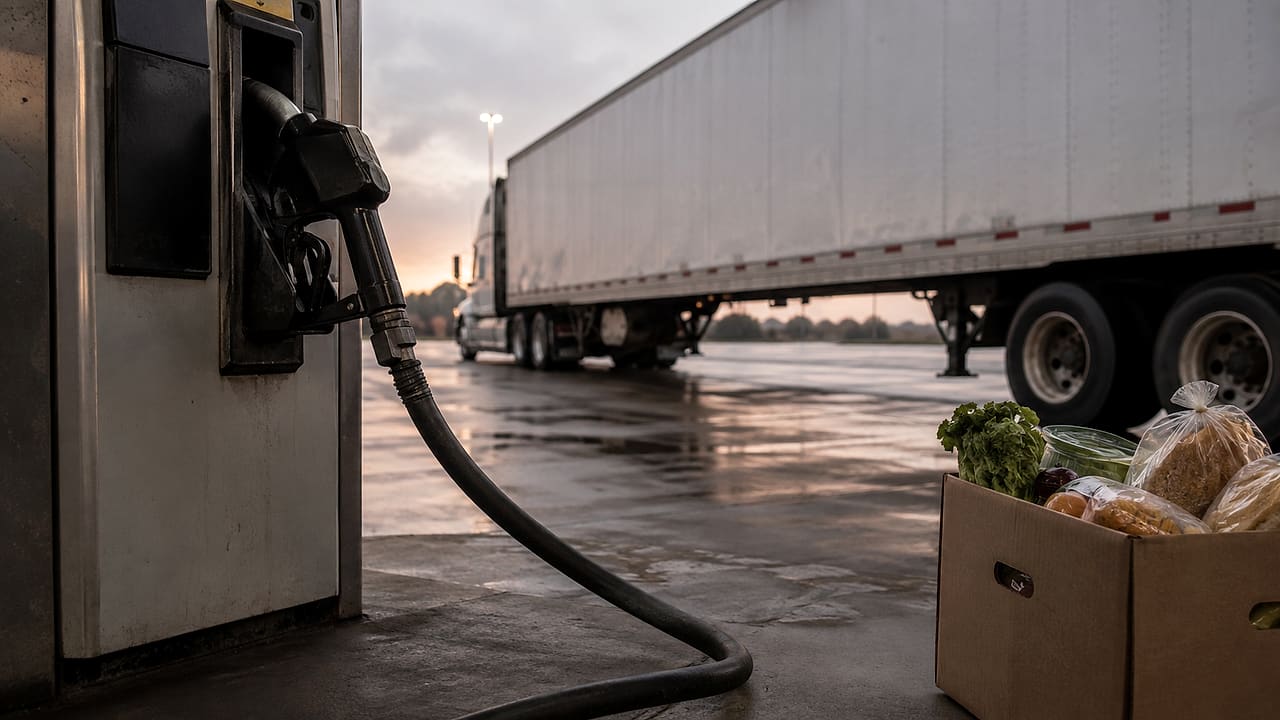
Six months of fighting have raised the freight economy's principal fuel by 56 percent, a material consequence of an increasingly immaterial noun.
The state's August award snapshot shows 70 percent of the students in its prior-school comparison were already outside public education. An award is not the same as a claimed payment.
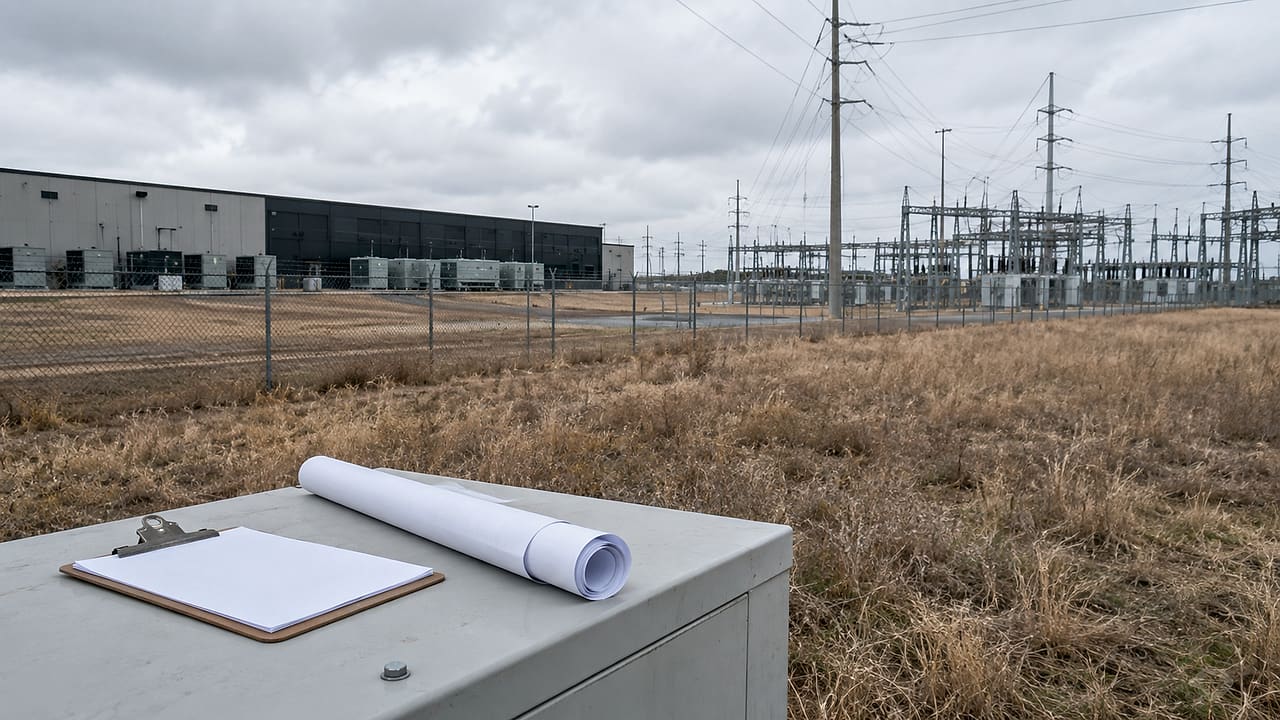
ERCOT released provisional classifications September 3 after a delay. Inclusion in its large-load review still comes with conditions, not a blanket green light to connect.
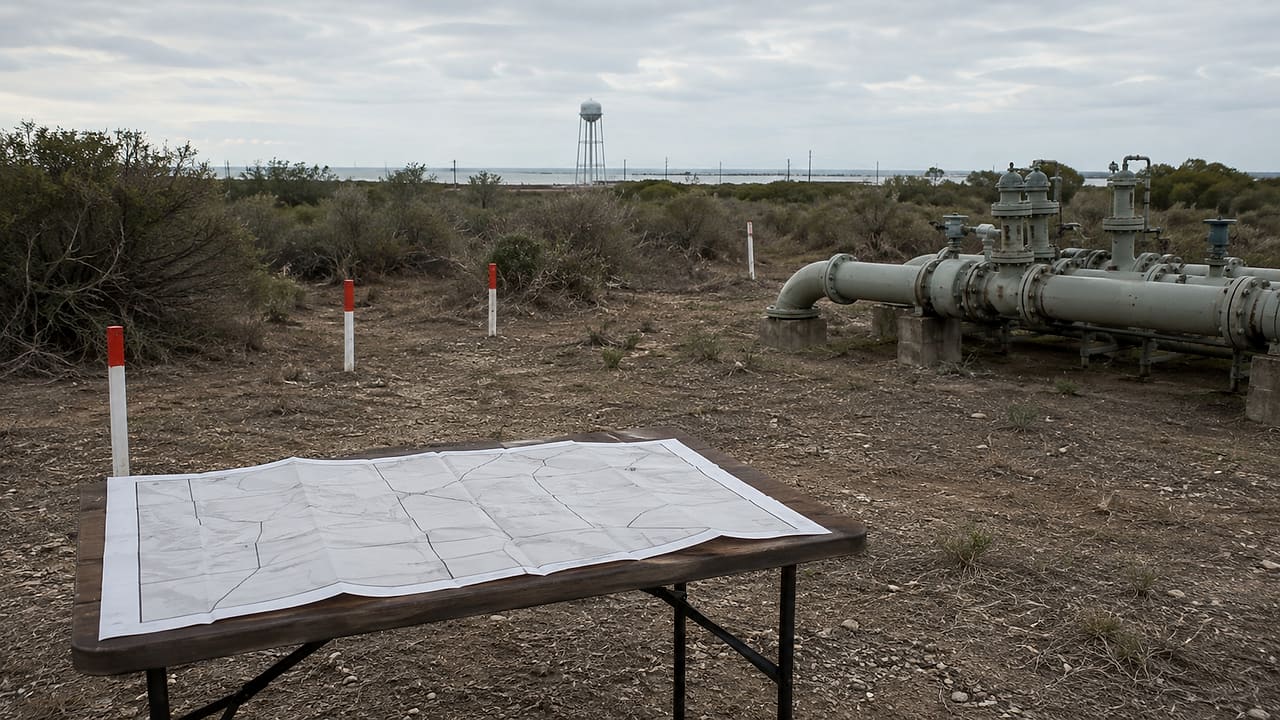
The city agreed to remove roughly 445 acres from its limits in a deal for up to $220 million from SpaceX. The offer came with a same-day deadline.
Trump signed the extension through December 11. The full-year spending decisions will remain available for a post-election reunion.

July's gap rose to $88.6 billion. The year-to-date figure improved, giving the national scoreboard something for every speech.

The new proposal would counter Chinese propaganda with paid influencers after the old center was dismantled as a censorship machine.

The first microreactors will supply a fraction of each installation's power while contractors and utilities preserve the necessary connections.
Twenty-three states sued after HHS required applicants and recipients to remain aligned with federal policy priorities.
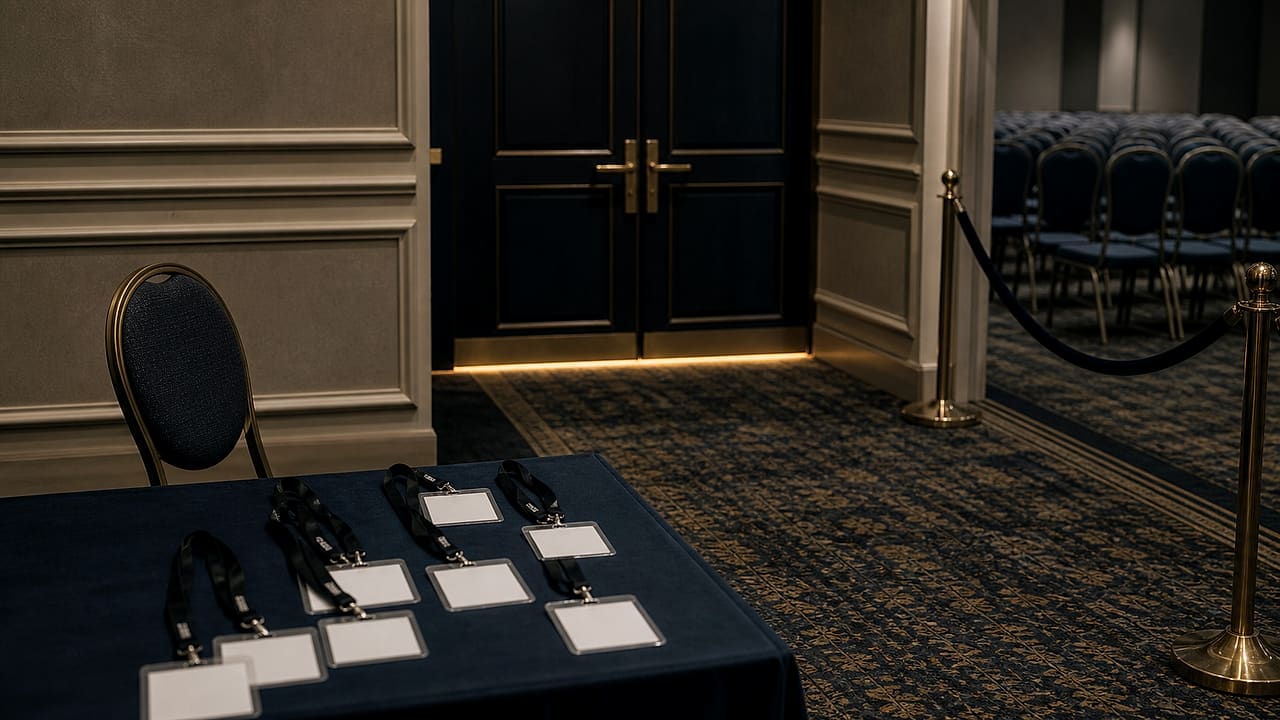
The department denied credentials to reporters from three major financial newsrooms and explained that the choices had nothing to do with point of view.

Initial support could rise to $4,500 per person as South Africans account for more than 99 percent of this year's refugee arrivals.
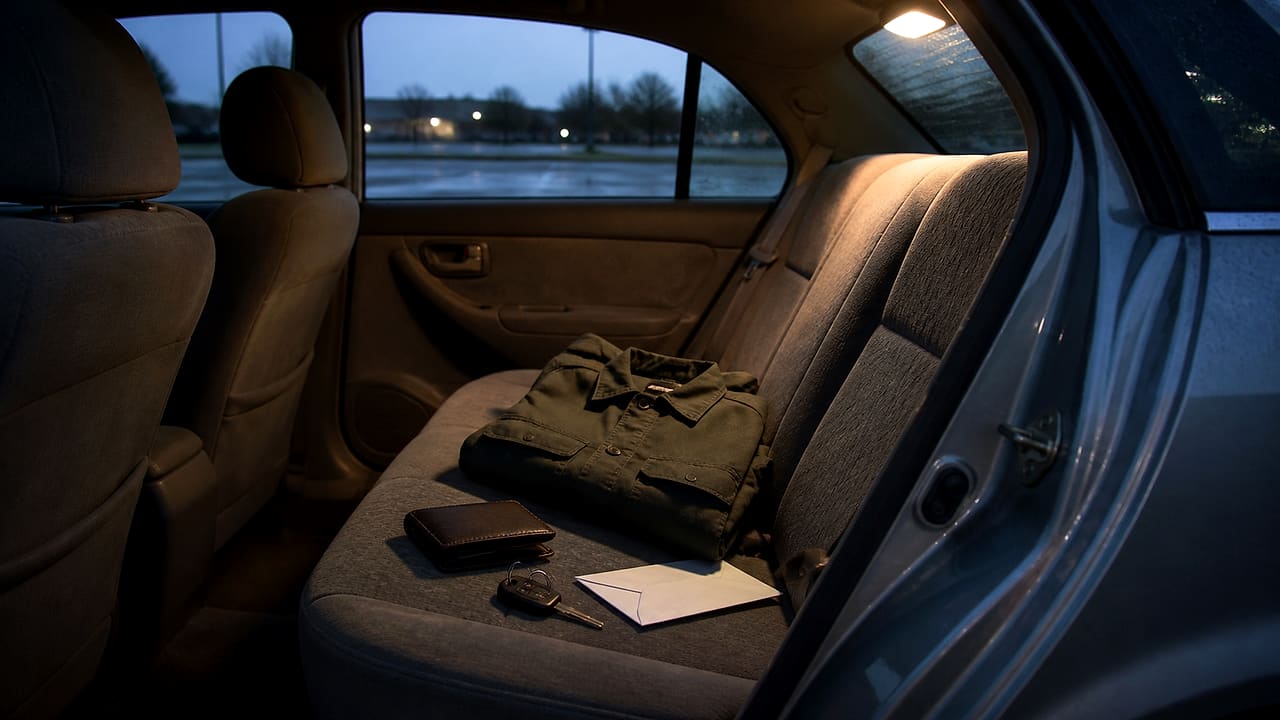
A Texas National Guard veteran accepted an honorable discharge and enhanced separation pay. The discharge arrived first.
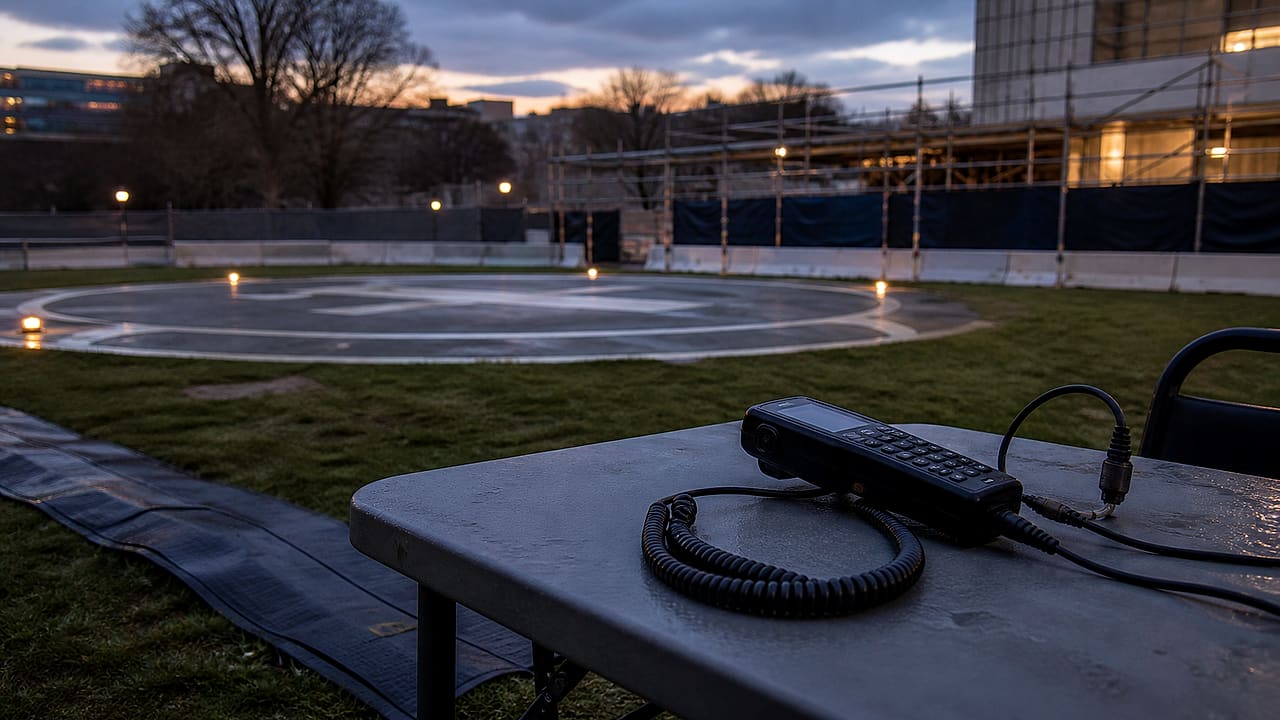
An antenna was moved after the president's helicopter came too close to a passenger jet. Controllers lost contact again the day the repair was announced.

Congress preserved NASA's Roman mission through two Trump administrations. The observatory responded by departing early.

Ambassador Tilman Fertitta is touring Italy aboard his $450 million yacht. The republic's message now comes with a scuba room.
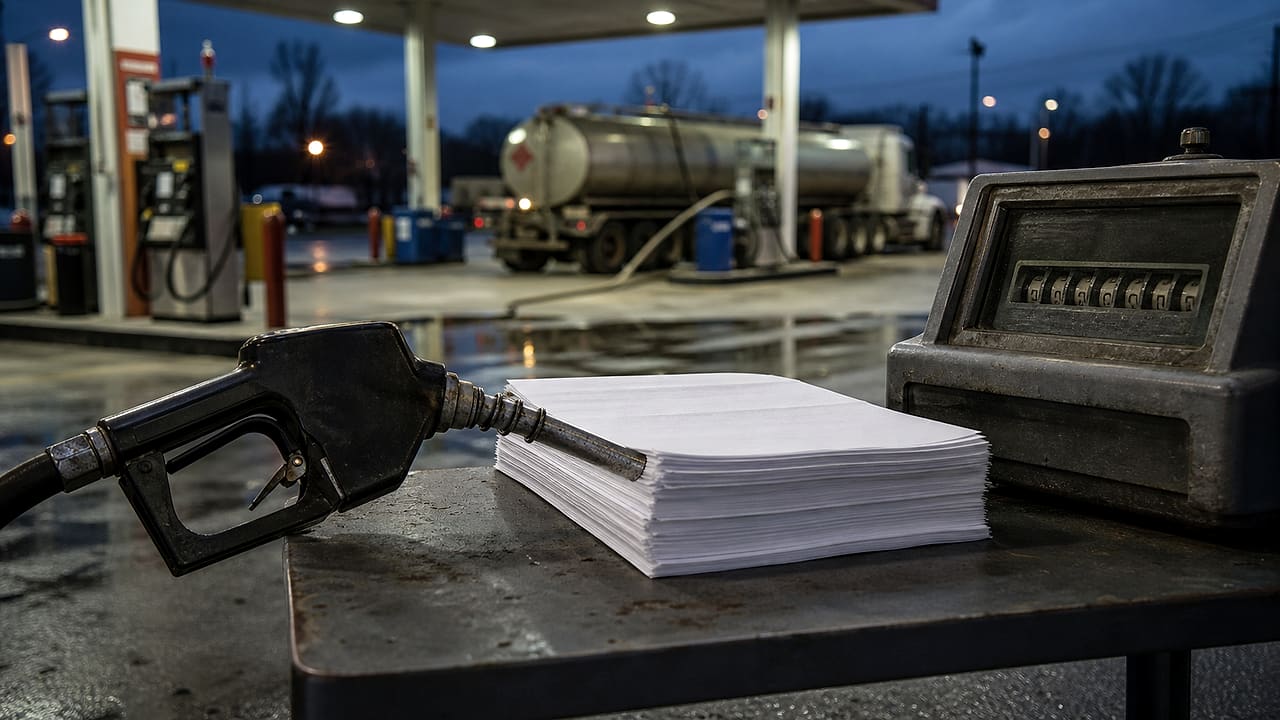
Trump praised a network selling gas 40 cents below market. A lawsuit says a distributor behind some of those gallons left nearly $4 million unpaid.

A $1 fee approved to fight catalytic-converter theft funded an AI license-plate network. The governor paused state money as the investigation arrived.

The administration says the cutting is routine maintenance. The public-course redesign still lacks a final plan, schedule, disclosed cost, and required approvals.
The original military timeline has survived by becoming a ceasefire, a peace memorandum, a blockade, and an open-ended economic campaign.
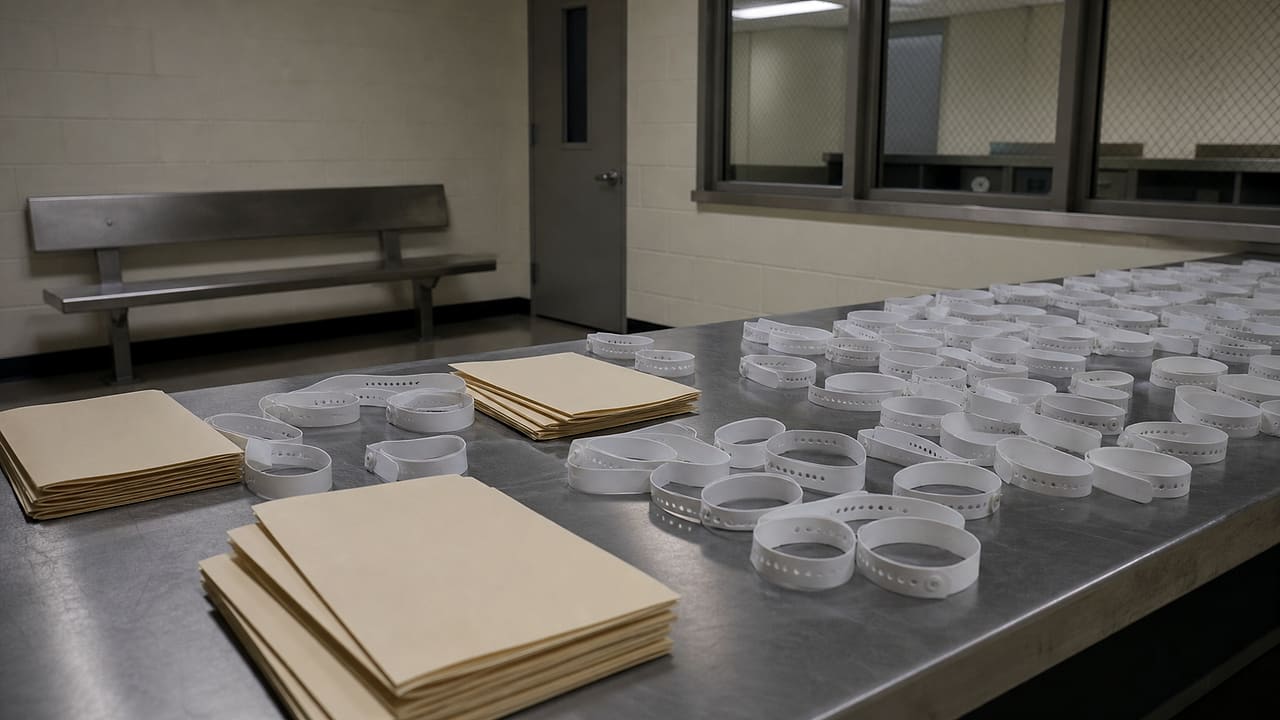
The agency arrested 49,571 people in July. More than half had no criminal conviction and no pending criminal charge.

A federal settlement reimburses RWE for abandoning offshore wind, then directs most of the money into a gas investment purchased from a donor-led fund.
Chairman Kevin Warsh says inflation remains too high and that the central bank has work to do if prices do not move faster toward 2 percent.
The administration plans to waive processing rules after first trying to lower beef prices with more imported beef.

The no-bid order covers 6,000 pairs designed to gain compliance from detainees and protesters through painful electrical pulses.
Economists say correcting that and other assumptions turns the agency's claimed benefit into a $670 billion cost.

Layoffs remain rare and unemployment is low. The arrangement works less well for anyone attempting to obtain a job.
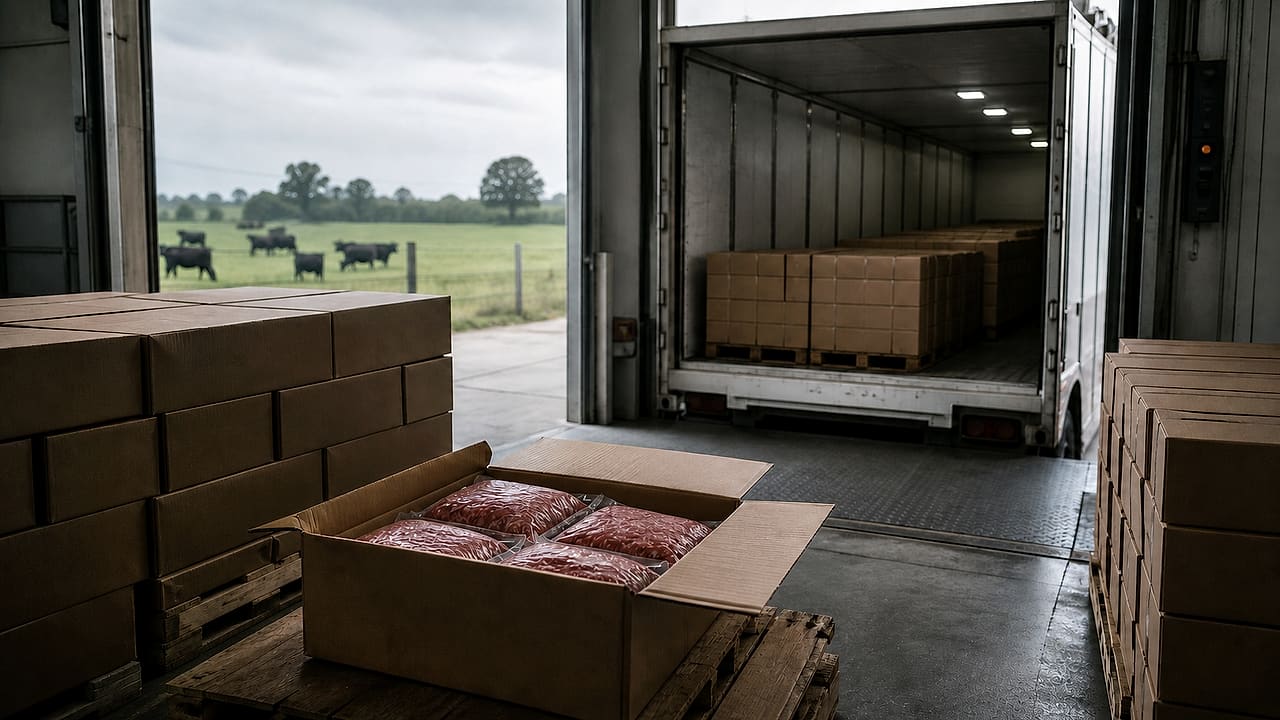
The 90-day tariff holiday is meant to lower grocery prices. Ranchers would prefer the domestic cattle market not be the part that gets cheaper.

A Fed official said the inflation target is out of reach until the fighting stops. The Fed does not control the fighting.

The figure doubled in under a decade and arrived months earlier than forecast. Nobody has decided whether the speed is the good news or the bad.

The move saves about $56 million a year. It only took nineteen years of losing money on the coin to stop making the coin.