Treasury Stops Making The Penny After Confirming It Costs Nearly Four Cents To Make A Penny
The move saves about $56 million a year. It only took nineteen years of losing money on the coin to stop making the coin.
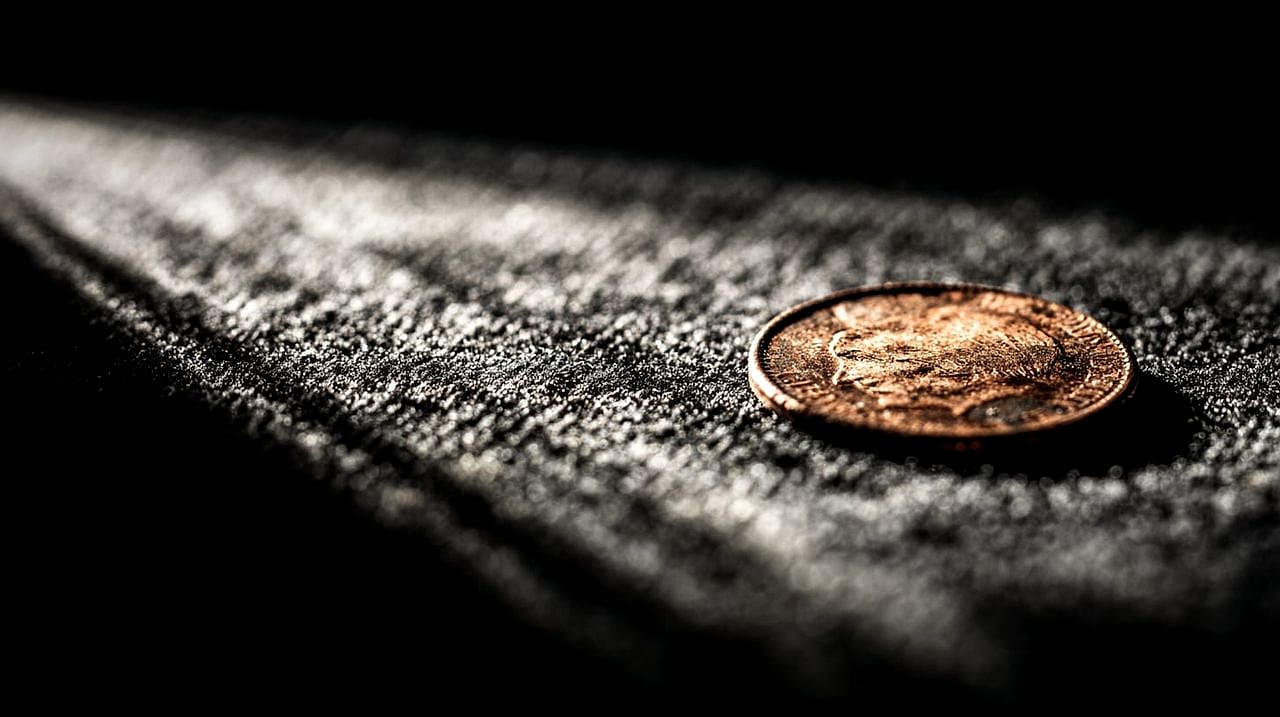
The Treasury Department has stopped producing the penny, following a directive from the president, after officials confirmed something Americans had long suspected: it costs almost four cents to make one cent. The final circulating penny was struck in Philadelphia in November 2025.
The penny — which had cost more than its own face value to mint for nearly two decades, most recently around 3.7 cents apiece — was phased out for a projected saving of roughly $56 million a year. By one accounting, this is a rare and genuine act of fiscal common sense. By another, it is the federal government finally noticing something the rest of the country figured out at a vending machine around 2004.
The move raises the usual questions about rounding and cash transactions, which every other country that has retired a small coin has answered without collapse. The penny’s remaining defenders are, roughly, the zinc lobby and nostalgia.
Credit where it’s due: this one is actually a good idea. It simply took nineteen consecutive years of losing money on a coin to arrive at the decision to stop making the coin.