Russian Diesel Deal Requires Explaining Last Month’s Russian Sanctions
A bipartisan group of senators asked Trump to reverse the fuel agreement, pointing to restrictions Congress had recently approved.
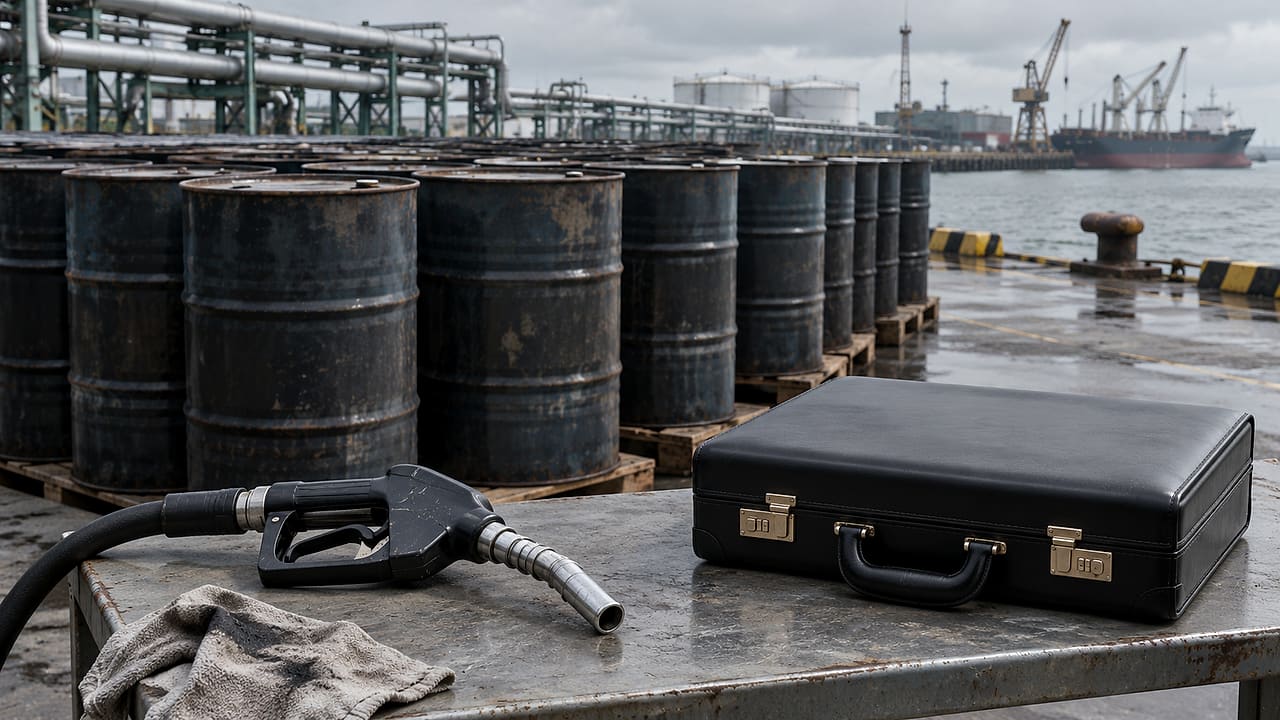
WASHINGTON—Trump’s October agreement to allow purchases of Russian diesel prompted a bipartisan group of senators to ask why the administration was relaxing the policy Congress had just strengthened. The fuel deal had arrived while the new sanctions were still recent legislative business.
In an October 13 letter, senators urged the president to rescind the agreement and implement sanctions authorized in September. They argued that renewed purchases would provide money to Russia while its war against Ukraine continued.
The dispute exposed two objectives competing inside the administration’s energy policy. More diesel on the market was presented as relief from high prices. Restricting Russia’s energy revenue was supposed to impose a cost on its continuing aggression. Buying the fuel did not automatically reconcile those goals.
The senators also challenged the legal basis for the waiver. Their letter was an objection, not a court ruling, and the agreement did not establish that household fuel prices had already fallen. The promised economic benefit and the disputed sanctions authority each required their own evidence.
Congress had recently specified circumstances for increasing pressure on Moscow. The administration had found circumstances for purchasing more of Moscow’s product. The letter requested an account of how those instructions were meant to coexist.
Sources: Senate Foreign Relations Committee: bipartisan letter opposing Russian diesel dealRoll Call: senators call for reversal of diesel agreement