Canadian Cheese Brings The Administration’s 1930 Tariff Authority To Court
A food importer challenged the Section 338 duties in October. Its supply chain included American milk becoming Canadian brie and returning to American buyers.
NEW YORK—A food importer challenged the administration’s Canadian tariffs on October 20, bringing a dispute over presidential authority to the Court of International Trade through the practical business of importing cheese.
Gellert Global Group’s lawsuit targeted the fifty percent duties imposed under Section 338 of the Tariff Act of 1930. Its lawyers argued that later trade laws displaced or limited that authority and that the administration had not met the provision’s conditions. Those were the plaintiff’s arguments, not a ruling already entered by the court.
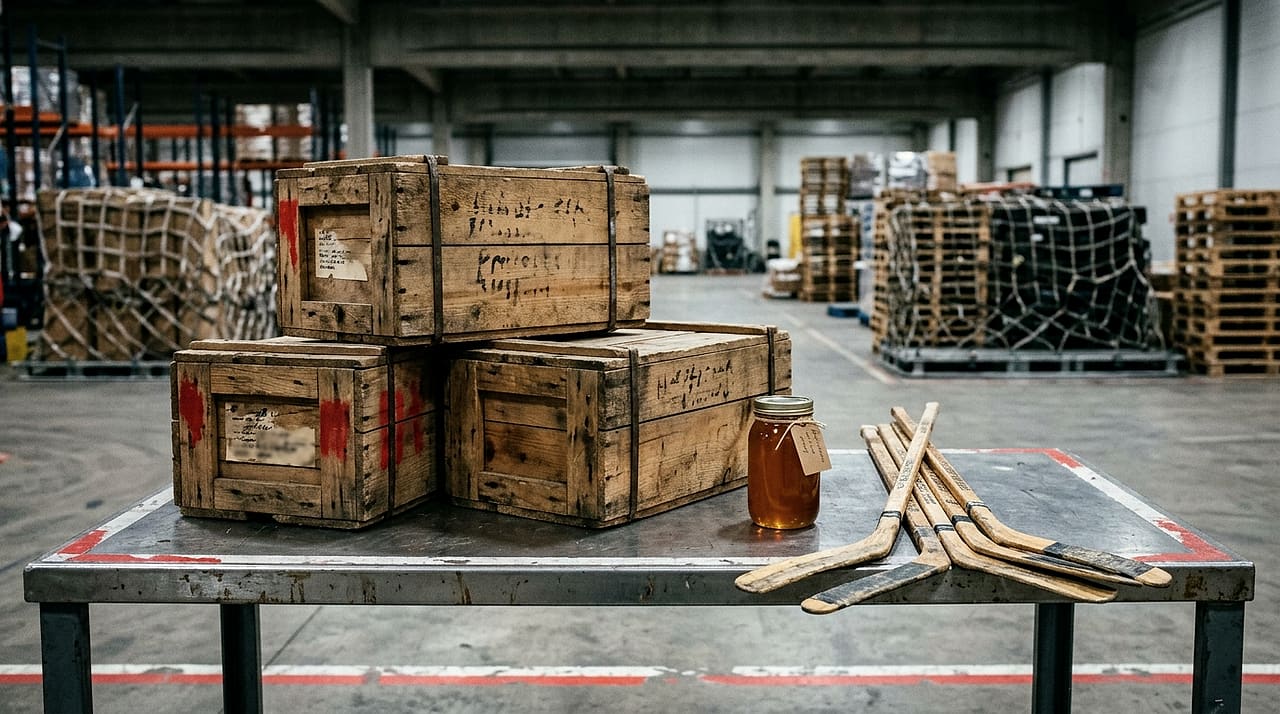
The company described a supply chain that complicated the national labels. A Canadian supplier bought milk from farmers in upstate New York, made brie in Canada and sent the cheese back to American customers. The tariff on the finished import could reach a commercial relationship supporting American farms.
The filing sought to stop collection and obtain refunds. Filing those requests did not suspend the duties. Importers continued to face the distinction between challenging a tax and receiving judicial relief from it.
The administration had returned to a 1930 law to defend the tariff. The importer had returned to court, where the age of a statute could not substitute for demonstrating the authority it actually granted.
Sources: Liberty Justice Center: Gellert Global Group challenge to Section 338 tariffsReuters: food importer sues over Canada tariffs